
Finances saines d’abord ! Partenariats ensuite !
La Table ronde de mobilisation de ressources de l’OEACP, qui se déroulera le 28 mars 2026 à Malabo, porte un message clair : « finances saines et engagement sans faille des 79 États membres, avant tout appel aux partenaires ». Face à une dette qui devient un fardeau de plus en plus pesant, Sa Majesté le Roi Mswati III, champion OEACP de mobilisation de ressources, pose ce préalable indispensable pour l’avenir de l’Organisation.
L’avenir de l’OEACP passe d’abord par des finances saines et un engagement sans faille de tous ses États membres
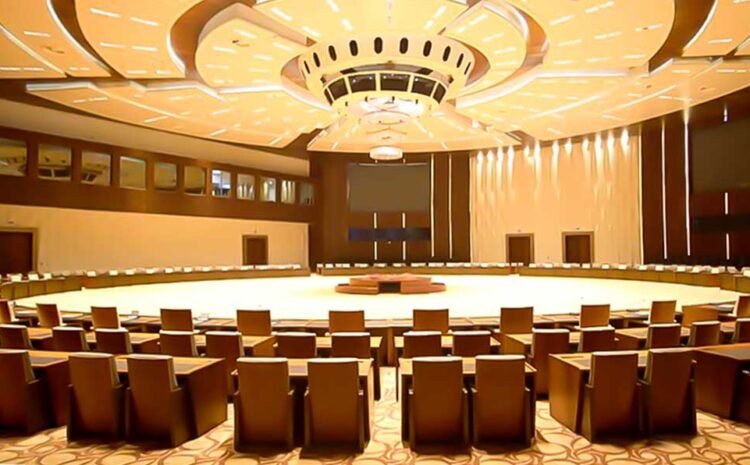
La Table ronde pour la mobilisation des ressources, qui se tiendra le samedi 28 mars 2026 à Malabo (Guinée équatoriale) durant les travaux du 11ᵉ Sommet des Chefs d’État et de Gouvernement de l’Organisation des États d’Afrique, des Caraïbes et du Pacifique (OEACP), n’est pas une simple réunion. Pas une de plus. C’est un moment de vérité. L’Organisation aux 18 membres fait face à une crise financière structurelle : arriérés accumulés, contributions obligatoires en baisse, retards de paiement récurrents, etc. Cette situation fragilise la continuité opérationnelle du Secrétariat, compromet la mise en œuvre du mandat stratégique et affaiblit la crédibilité de l’Organisation auprès de ses partenaires.
Un engagement de l’intérieur
Sa Majesté le Roi Mswati III, champion de la mobilisation des ressources et Moussa Batraki, Secrétaire général ont eu le courage de placer ce sujet au cœur du Sommet. La Table ronde vise à mobiliser en urgence des fonds pour assainir les opérations et rembourser la dette, tout en jetant les bases d’un Fonds fiduciaire et de dotation pérenne. C’est nécessaire.
Mais tous ces efforts, toutes ces démarches ne suffiront pas si l’engagement ne commence pas de l’intérieur. Pour le Secrétaire général de l’organisation, l’ordre des priorités est clair et passe par deux préalables :
- Les États membres doivent d’abord honorer leurs engagements.
Règlement des arriérés, versement régulier des contributions obligatoires, contributions volontaires supplémentaires et participation active au Fonds fiduciaire et de dotation (FFD). Sans cette discipline collective, aucune parole ne sera crédible.
2. Ce n’est qu’ensuite que l’on pourra légitimement solliciter les partenaires.
Institutions financières internationales, bailleurs bilatéraux, fondations philanthropiques et secteur privé n’accompagneront durablement une organisation que si ses propres membres démontrent qu’ils la considèrent comme une priorité stratégique et non comme une dépendance extérieure.
Atteindre l’autonomie
L’OEACP n’est pas une organisation comme les autres : elle est la plus grande alliance transcontinentale de pays en développement. Son poids politique, son rôle dans l’Agenda 2030, l’Accord de Paris et l’Accord de Samoa dépendent directement de sa viabilité financière. Un Secrétariat affaibli ne peut pas défendre efficacement les intérêts de 79 pays sur la scène internationale. Le message que les Chefs d’État et de Gouvernement doivent porter à Malabo est limpide : « Nous prenons nos responsabilités en premier. Nous assainissons nos finances. Nous montrons l’exemple. Et c’est seulement à cette condition que nous demanderons – et obtiendrons – un soutien massif et durable de nos partenaires. »
L’avenir de l’OÉACP ne se jouera pas à Bruxelles, à Washington ou à Pékin. Il se joue d’abord à Malabo, le 28 mars 2026 et à l’occasion de la deuxième étape de la feuille de route du Champion de la mobilisation des ressources qui sera axé sur les aspects programmatiques, dans la volonté collective de ses 79 États membres de faire de la santé financière de leur Organisation une priorité. C’est le prix de la souveraineté. C’est le prix de la crédibilité. Et c’est le seul chemin qui permettra à l’OEACP de passer d’une organisation en difficulté à une alliance forte, autonome et respectée.