

Malabo, la ville qui regarde le monde
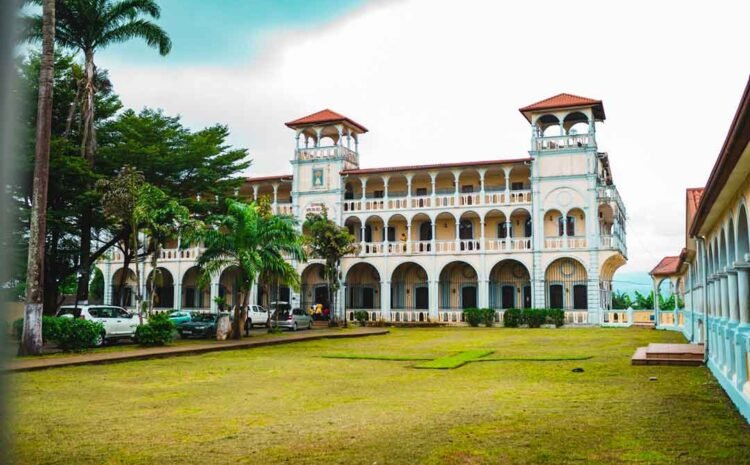
Théâtre du 11ᵉ sommet des chefs d’État et de Gouvernement de l’OEACP, Malabo invite au dialogue. Tout, dans cette ville insulaire de Guinée équatoriale, semble conçu pour servir de lieu de rassemblement. Une véritable carte postale.
À l’approche de Malabo, la mer semble ralentir le temps. Les eaux du golfe de Guinée se parent de reflets argentés tandis que, peu à peu, se dessine la silhouette de l’île de Bioko. Entre les vagues de l’Atlantique et les reliefs volcaniques couverts de forêt tropicale, la ville apparaît comme une escale singulière, presque secrète, suspendue entre nature et modernité. Malabo ne se livre pas immédiatement. Elle se dévoile par touches : une avenue bordée de palmiers, une façade aux couleurs pastel, une église aux airs coloniaux, un marché animé où les parfums d’épices et de fruits tropicaux se mêlent aux conversations. La ville respire la douceur des villes insulaires, mais sous cette apparente tranquillité se cache une énergie discrète, celle d’un territoire en mouvement.
C’est dans ce décor à la fois apaisant et vibrant que se tiendra le 11ème Sommet des chefs d’Etat et de Gouvernement de l’Organisation des États d’Afrique, des Caraïbes et du Pacifique (OEACP). Du 27 au 29 mars 2026, cette ville de la Guinée équatoriale deviendra un point de convergence entre continents. Des dirigeants, experts et acteurs du développement venus d’Afrique, des Caraïbes et du Pacifique s’y retrouvent pour imaginer ensemble les réponses aux défis du XXIᵉ siècle : transformation économique, résilience climatique, innovation et nouvelles solidarités internationales.
Mémoire et modernité
Malabo semble faite pour ce rôle. Car la ville porte en elle une histoire de rencontres et de passages. En se promenant dans ses rues, on découvre une architecture qui raconte plusieurs époques : des bâtiments historiques hérités du passé côtoient des infrastructures contemporaines tournées vers l’avenir. Cette cohabitation entre mémoire et modernité donne à la capitale historique une identité unique, celle d’une ville qui avance sans renier ses racines.
Mais la véritable singularité de Malabo tient à son insularité. Entourée par l’océan, la ville a appris à faire de la distance une opportunité. Ici, l’horizon n’est jamais une limite. L’Atlantique devient une invitation permanente au voyage, un trait d’union naturel entre l’Afrique, les Caraïbes et le Pacifique. Dans un monde en quête de nouvelles routes de coopération, Malabo apparaît presque comme un symbole : celui d’un carrefour discret reliant des géographies éloignées mais des aspirations communes.
Dans ses quartiers animés, une jeunesse curieuse et entreprenante donne à la ville son souffle contemporain. Étudiants, créateurs, entrepreneurs et innovateurs façonnent peu à peu une nouvelle identité urbaine. Leur ambition est simple et audacieuse à la fois : faire de cette île un espace d’opportunités, un laboratoire d’idées capable de dialoguer avec le reste du monde.
Au-dessus de tout cela veille le majestueux Pico Basile. Ce volcan imposant domine l’île comme un phare naturel. Depuis ses hauteurs, la vue embrasse l’océan à perte de vue et rappelle la position singulière de la ville : petite par sa taille, mais grande par la portée de son regard.
Alors on comprend que Malabo n’est pas seulement une destination. C’est une promesse. Celle d’une Afrique insulaire, inventive et ouverte sur le monde, qui transforme son horizon maritime en espace de dialogue et d’avenir. Une ville qui, depuis son île volcanique, regarde loin et invite le monde à regarder avec elle.