

Les grandes figures de l’OEACP
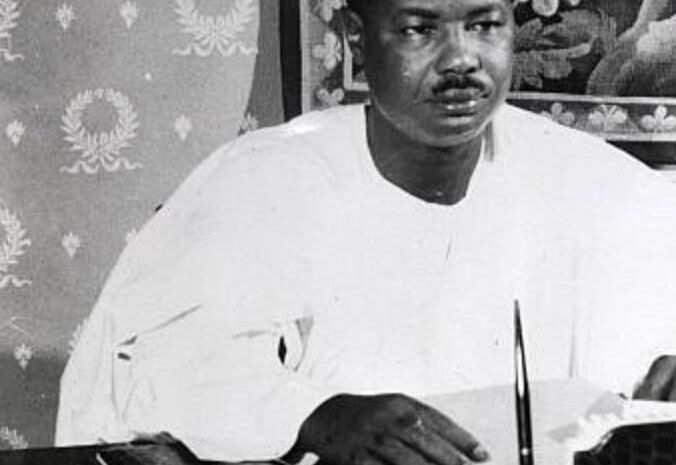
De l’Association des États africains et malgache (EAMA) en 1963 au Groupe ACP en 1975, puis à l’OEACP en 2003, du Sénégalais Senghor au Zambien Hichilema, en passant par le Jamaïcains Manley, ils sont ceux qui ont façonné l’histoire de l’organisation. Cet ultime billet sur l’histoire de l’organisation retrace leur rôle de ces figures politique dans la défense de la souveraineté, de la coopération Sud-Sud et du dialogue avec l’Europe.
Certaines personnalités ont marqué l’histoire de l’EAMA, du Groupe ACP et de l’OEACP depuis 1963, jouant un rôle clé dans le dialogue entre le Sud global et l’Europe. Cet ultime épisode de notre histoire de l’organisation célèbre ces leaders qui ont œuvré pour la souveraineté et le développement de leurs pays.
L’EAMA (1963-1975)
Les pionniers de l’indépendance et de la coopération
En 1963, l’Afrique est un continent en ébullition. Les indépendances, souvent fraîchement acquises, résonnent comme des cris de liberté après des décennies de domination coloniale. L’Association des États africains et malgache (EAMA) naît dans ce contexte, sous l’égide de la Convention de Yaoundé. Les chefs d’État et de gouvernement de cette période sont des bâtisseurs de nations, dont les noms résonnent encore aujourd’hui.
L’un des plus emblématiques de cette ère est Léopold Sédar Senghor, président du Sénégal de 1960 à 1980. Poète et intellectuel, il incarne la synthèse entre la tradition africaine et la modernité. À la tête de l’EAMA, il défend une vision de la coopération Nord-Sud basée sur l’égalité et le respect mutuel. Son charisme et son éloquence lors des négociations avec la Communauté économique européenne (CEE) permettent de poser les bases d’un partenariat économique qui offre des opportunités aux jeunes États africains. Senghor donne une voix à l’Afrique sur la scène mondiale, plaidant pour une « civilisation de l’universel » dans laquelle chaque culture trouverait sa place.
En parallèle, Ahmadou Ahidjo, président du Cameroun de 1960 à 1982, joue également un rôle clé dans l’EAMA. Pragmatique et discret, il s’efforce de stabiliser son pays tout en consolidant les relations avec la CEE. Sous son impulsion, le Cameroun devient un acteur central des négociations de Yaoundé, plaidant pour des aides financières et un accès préférentiel au marché européen pour les produits agricoles africains.
Le Groupe des pays ACP (1975-2003)
Une alliance élargie pour un monde multipolaire
En 1975, l’EAMA évolue pour devenir le Groupe ACP avec la signature de la Convention de Lomé. Ce nouvel accord élargit le partenariat aux pays des Caraïbes et du Pacifique, formant un bloc de 46 nations (puis 79 au fil des années). À cette époque, des leaders charismatiques œuvrent pour renforcer la voix des pays en développement dans un contexte de Guerre froide.
Kenneth Kaunda, président de la Zambie de 1964 à 1991, est une figure centrale de cette transition. Surnommé le « Gandhi africain » pour son engagement en faveur de la non-violence, Kaunda utilise la plateforme ACP pour défendre les intérêts des pays sans littoral, comme la Zambie, dépendants des exportations de cuivre. Lors des négociations de Lomé, il insiste sur l’importance du fonds STABEX, destiné à stabiliser les revenus des exportations agricoles et minières. Son leadership humaniste et son intégrité font de lui une voix respectée, même face aux tensions géopolitiques de l’époque.
Dans les Caraïbes, Eric Williams, Premier ministre de Trinité-et-Tobago de 1956 à 1981, marque l’entrée des pays caribéens dans le Groupe ACP. Historien de formation, Williams apporte une perspective intellectuelle aux discussions, plaidant pour une diversification économique et une réduction de la dépendance aux anciennes puissances coloniales. Sa vision d’une coopération régionale au sein des Caraïbes influence les négociations ACP, renforçant l’unité du groupe face à l’Europe.
Citons également Michael Manley, Premier ministre de la Jamaïque de 1972 à 1980 et de 1989 à 1992. Le leader du Parti national du peuple (PNP) est une figure incontournable des ACP qui a porté une vision sociale-démocrate au dialogue ACP-UE. Son engagement pour le droit des travailleurs, l’éducation, l’égalité sociale et ses liens forts avec les dirigeants cubains ont suscité des tensions avec les Etats-Unis ; mais on renforcé son aura sein des pays du sud. Une des preuves de cette popularité est sa réélection en 1976 malgré des violences politiques et l’instauration d’un état d’urgence en Jamaïque. Charismatique et déterminé, il incarnait l’aspiration des nations caribéennes à une autonomie économique et politique face aux grandes puissances.
Dans le Pacifique, Ratu Sir Kamisese Mara, Premier ministre des Fidji de 1970 à 1992, incarne la voix des petits États insulaires. Charismatique et diplomate, Mara parvient à faire entendre les préoccupations spécifiques des nations du Pacifique, notamment sur les questions de pêche et de vulnérabilité climatique, dans un cadre dominé par les géants africains. Son rôle dans la consolidation du Groupe ACP illustre l’importance d’une solidarité transcontinentale.
L’OEACP (2003-aujourd’hui)
L’ère des défis globaux
En 2003, le Groupe ACP devient l’Organisation des États d’Afrique, des Caraïbes et du Pacifique (OEACP) afin de me coordonner son action à l’échelle mondiale. Dans un contexte de mondialisation et de crises majeures, ses dirigeants font face à de nouveaux défis.
Thabo Mbeki, président de l’Afrique du Sud de 1999 à 2008, est une figure clé des débuts de l’OEACP. S’appuyant sur concept philosophique et politique dit de « Renaissance africaine » pensé par Cheikh Anta Diop et porté par Nelson Mandela, Mbeki promeut une vision d’autonomie économique et d’intégration régionale, mais aussi la vision d’une Afrique centrée sur la cohésion sociale, la démocratie, la reconstruction économique et le positionnement de l’Afrique comme acteur majeur sur la scène géopolitique mondiale. Son leadership intellectuel et son engagement pour le NEPAD (Nouveau partenariat pour le développement de l’Afrique) marquent une étape décisive dans la modernisation des relations ACP-UE.
Perry Christie, ancien Premier ministre des Bahamas, a renforcé la position des Caraïbes à l’OEACP en soulignant la vulnérabilité des petits États insulaires au changement climatique et en plaidant pour un meilleur financement climatique ainsi qu’une intégration régionale accrue.
Plus récemment, Hakainde Hichilema, président de la Zambie depuis 2021, incarne une nouvelle génération de leaders de l’OEACP. Économiste de formation, Hichilema défend la transparence, combat la corruption et promeut des partenariats équitables avec l’UE. Il soutient également des politiques axées sur l’innovation et la jeunesse lors des sommets de l’OEACP.
Héritage d’engagement et de vision
De Senghor à Hichilema, les grandes figures de l’EAMA, du Groupe ACP et de l’OEACP ont légué un héritage d’ambition et de solidarité. Ces différents leaders politiques, issus de contextes divers, ont su transformer des défis colossaux – décolonisation, instabilité économique, changement climatique – en opportunités pour renforcer la voix de leurs nations. Ils ont tous, à leur manière et à leurs niveaux respectifs, apporté leur contribution à la construction de la coopération Sud-Sud et Nord-Sud, imparfaite mais essentielle, qui continue de façonner les relations internationales.
Depuis la Convention de Lomé en 1975, marquée par l’influence visionnaire de leaders cités en ci-dessus, l’organisation a su évoluer face aux bouleversements géopolitiques et économiques, de la décolonisation à la mondialisation. Son passage à l’OEACP en 2020, avec l’Accord de Samoa, a renforcé son autonomie et son engagement pour le développement durable, la résilience climatique et la gouvernance. Cependant, sa dépendance financière vis-à-vis de l’UE, via des instruments comme le NDICI et l’EFSD+, limite son indépendance stratégique, suscitant des critiques sur l’alignement de ses priorités. Ses fondateurs ont incarné une quête de souveraineté et de solidarité transcontinentale, façonnant une plateforme unique pour les 79 nations membres.
Pour l’avenir, l’OEACP devra diversifier ses financements et renforcer la coordination entre ses membres pour pleinement porter les aspirations du Sud global dans un monde multipolaire, tout en consolidant son rôle comme pont entre coopération Nord-Sud et ambitions Sud-Sud.